financial guidance ontpeconomy – Complete Strategy for Smart Financial Planning
The modern economic landscape requires individuals and businesses to understand markets, investment trends, and strategic planning. In today’s dynamic environment, professional planning plays a critical role in achieving long-term stability and success. financial guidance ontpeconomy helps people and organizations make informed decisions by analyzing income streams, expenses, and growth opportunities.
Effective financial management is not only about saving money but also about allocating resources wisely and preparing for uncertainties. Many investors and entrepreneurs rely on structured frameworks to build sustainable wealth and protect assets from unexpected risks.
Economic Overview
Global economies continue to evolve with digital transformation and shifting trade patterns. Inflation, employment rates, and market fluctuations influence financial stability across regions. financial guidance ontpeconomy supports individuals in understanding these macroeconomic changes and adapting their strategies accordingly.
By monitoring economic indicators and policy developments, businesses can identify opportunities for expansion and reduce potential losses. Strategic planning aligned with economic data improves decision-making and long-term performance.
Key Principles
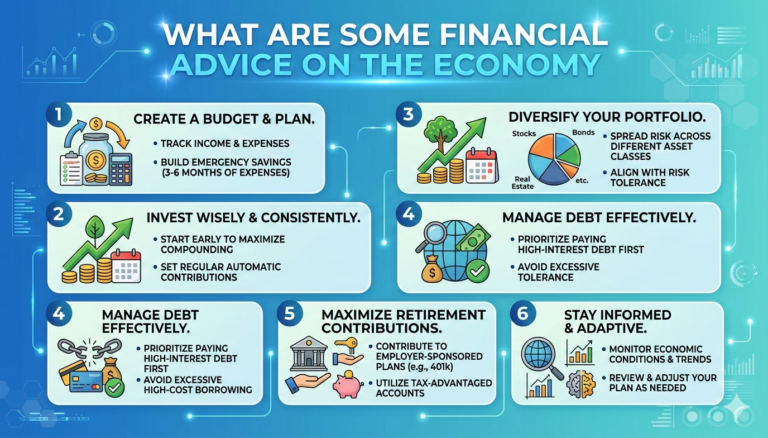
Successful financial management is built on clear objectives, disciplined saving, and smart investment choices. Setting measurable goals allows individuals to track progress and adjust plans when necessary. financial guidance ontpeconomy provides structured insights that improve budgeting and resource allocation.
Risk assessment is another essential principle. Diversifying assets and maintaining emergency reserves strengthen financial resilience. Careful analysis combined with consistent monitoring ensures sustainable growth over time.
Role of Technology
Technology has transformed how people manage money, track expenses, and invest in markets. Digital platforms offer automated budgeting tools, real-time data analysis, and online investment opportunities. financial guidance ontpeconomy enables users to integrate technology with strategic planning for better outcomes.
Artificial intelligence, financial apps, and data analytics simplify complex calculations and forecasting. These tools enhance transparency and allow users to monitor performance efficiently while reducing manual errors.

Government Support in United States
Government policies play a significant role in shaping economic stability and business development. Tax regulations, stimulus programs, and financial assistance initiatives influence growth opportunities. In the United States, regulatory frameworks provide support for startups and small enterprises seeking expansion.
Understanding policy changes and compliance requirements is essential for financial planning. financial guidance ontpeconomy assists individuals and organizations in aligning their strategies with government programs and legal standards to maximize benefits. how financial advisors work ontpeconomy
Risk Management Strategies
Managing financial risks involves identifying potential threats and creating contingency plans. Market volatility, inflation, and unexpected expenses can impact long-term stability. financial guidance ontpeconomy encourages diversification, insurance protection, and emergency fund creation to reduce exposure.
Investors should evaluate asset allocation regularly and adjust portfolios based on market conditions. Proactive monitoring strengthens financial security and improves resilience against economic downturns.
Investment Planning
Investment planning requires careful research and long-term vision. Stocks, bonds, real estate, and mutual funds offer different risk-return profiles. financial guidance ontpeconomy supports informed investment decisions by analyzing market trends and performance indicators.
A balanced portfolio minimizes risk while maximizing potential returns. Investors should review performance periodically and rebalance assets to align with changing financial goals and market dynamics.
Personal Budgeting
Personal budgeting is the foundation of financial stability. Tracking income and expenses allows individuals to control spending habits and increase savings. financial guidance ontpeconomy provides clarity on prioritizing essential needs while allocating funds for future investments.
Creating monthly budgets, reducing unnecessary expenses, and planning for major purchases improve financial discipline. Consistent evaluation ensures progress toward financial independence and security.
Digital Tools and Platforms
Online platforms have simplified financial tracking and investment management. Mobile banking, automated transfers, and digital investment accounts provide convenience and efficiency. financial guidance ontpeconomy integrates these tools into structured financial strategies for better control.
Data visualization dashboards and reporting systems help users understand spending patterns and portfolio performance. Leveraging technology enhances transparency and supports informed decision-making.
Future Outlook
The future of financial management will be driven by innovation, automation, and global connectivity. Emerging technologies will continue transforming investment analysis and wealth planning. financial guidance ontpeconomy remains essential for adapting to new market conditions and technological advancements.
Continuous education and strategic adaptation ensure long-term growth. Individuals and businesses that embrace structured planning and digital solutions will achieve stronger financial stability and competitive advantage.

Conclusion
Financial success depends on disciplined planning, risk awareness, and informed decision-making. By applying structured strategies and leveraging modern tools, individuals can build sustainable wealth. Throughout economic changes and global challenges, consistent evaluation and strategic adjustments remain critical.
Effective planning empowers people to navigate uncertainty and achieve financial goals with confidence.
FAQs
Q1: What is the main purpose of financial planning?
Financial planning helps individuals and businesses manage income, control expenses, reduce risks, and achieve long-term goals through structured strategies and disciplined management.
Q2: Why is budgeting important?
Budgeting allows better tracking of spending habits, improves savings, and ensures that financial resources are allocated to essential needs and future investments.
Q3: How does technology improve financial management?
Technology provides automated tracking tools, digital investment platforms, and real-time data analysis that simplify financial decision-making and improve efficiency.